
← Garden Kingdom – preview overview
DISCOVER WÖRLITZ
One place. Different views.
Interactive map placeholder – the illustrative park map will follow. The layout is schematic and does not show geographic locations. Choose a place to open its image and text view.
PHOTOGRAPHIC INSIGHTS
Places open up
01 / 05
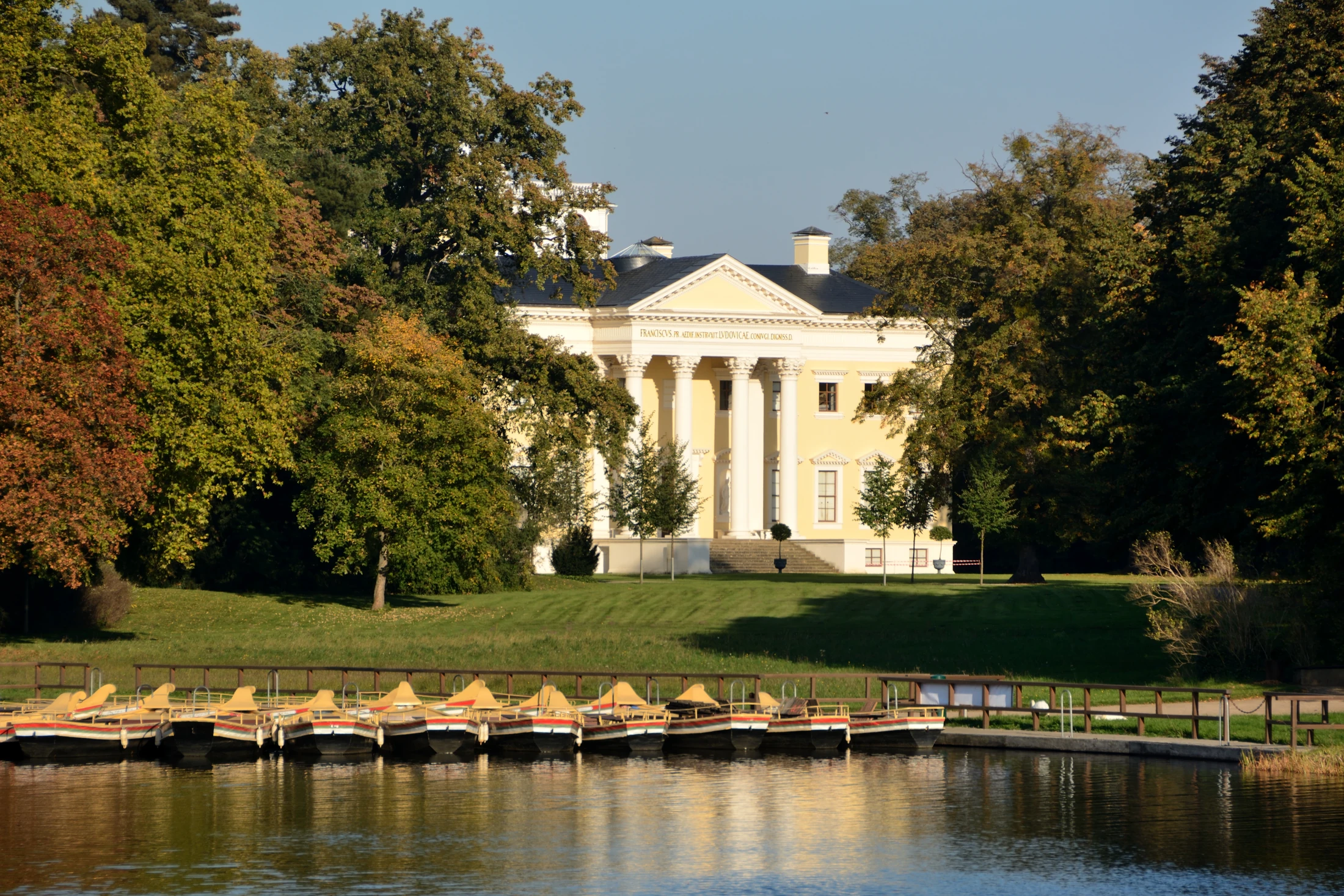
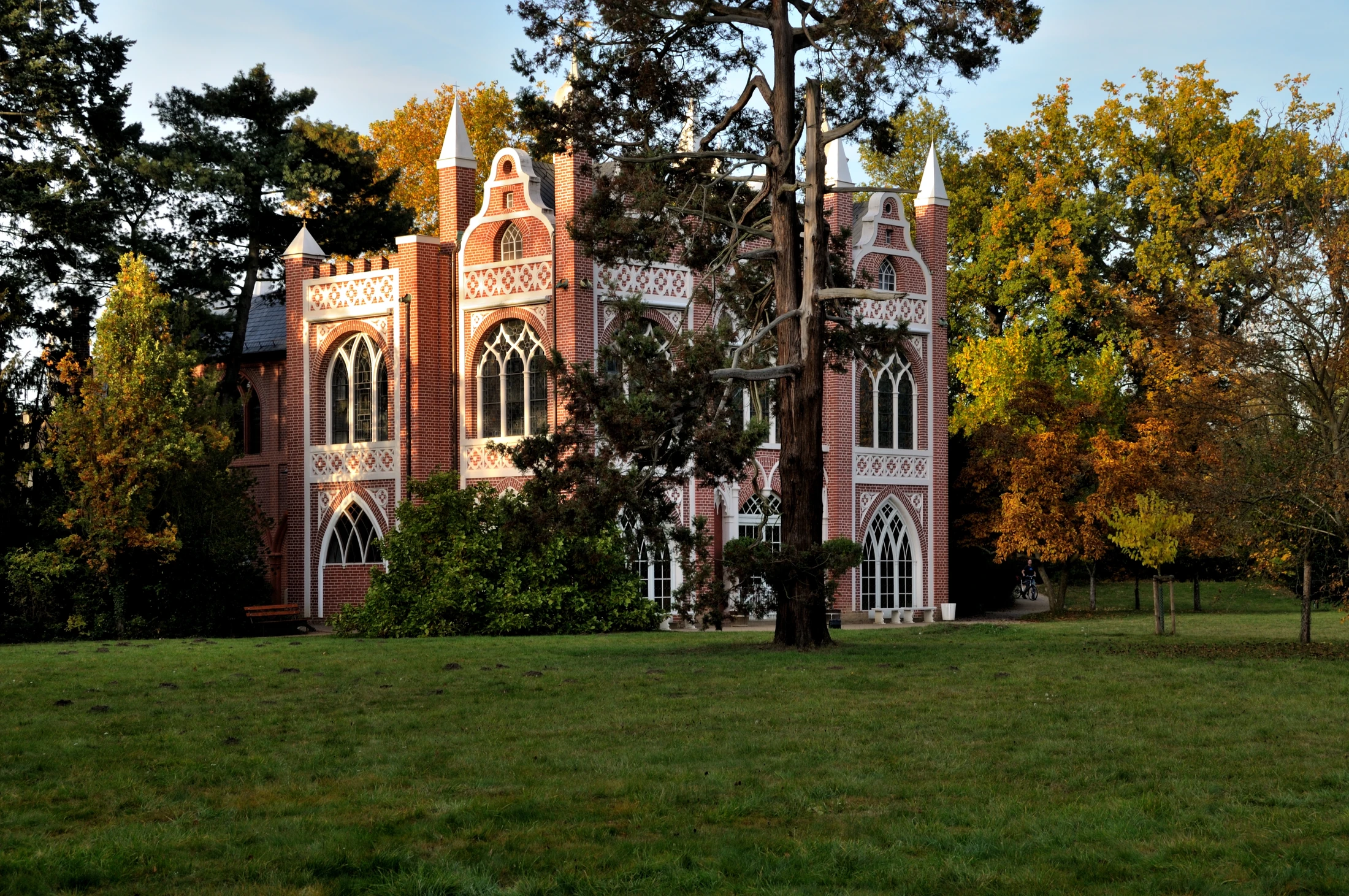
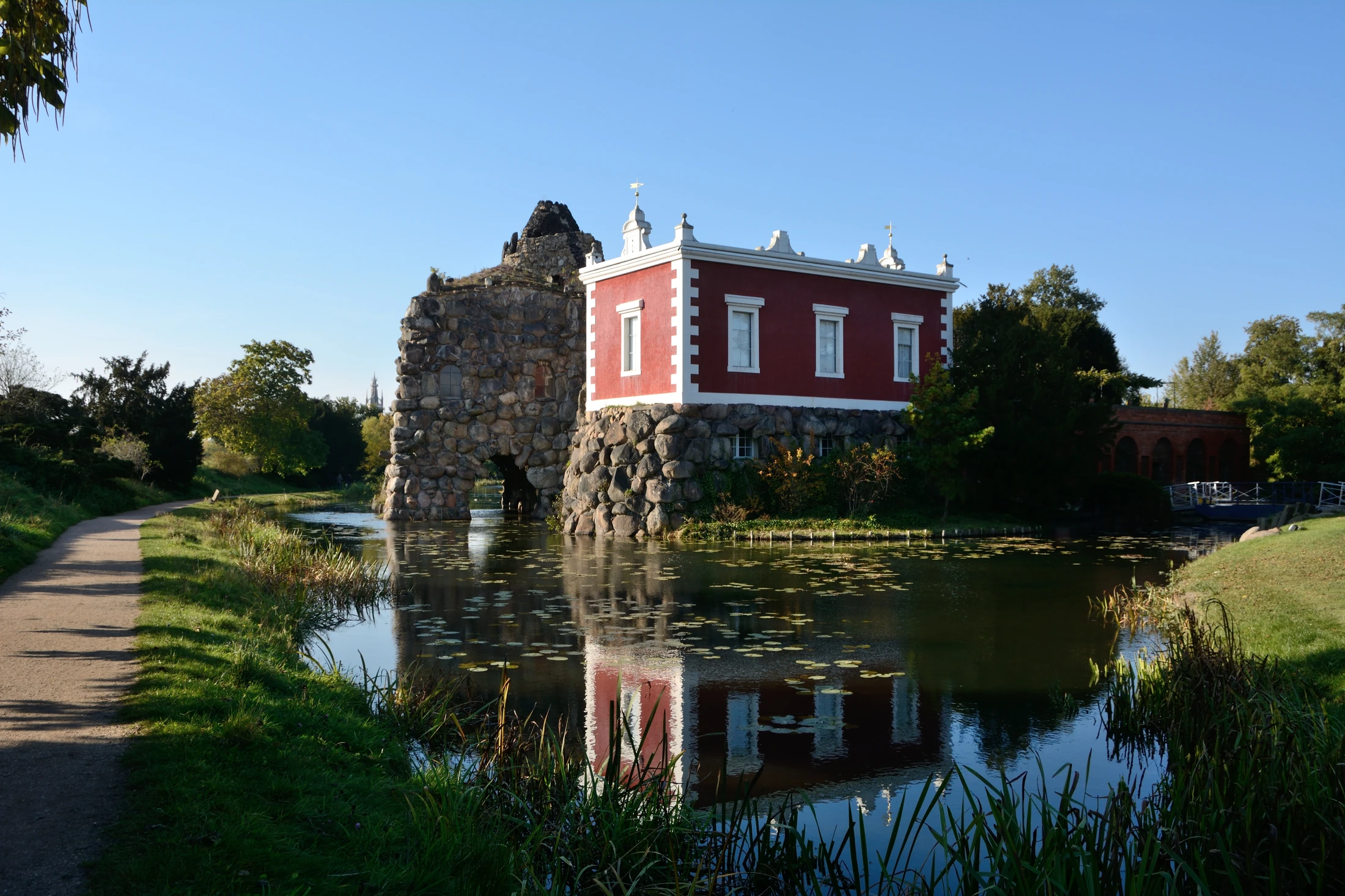
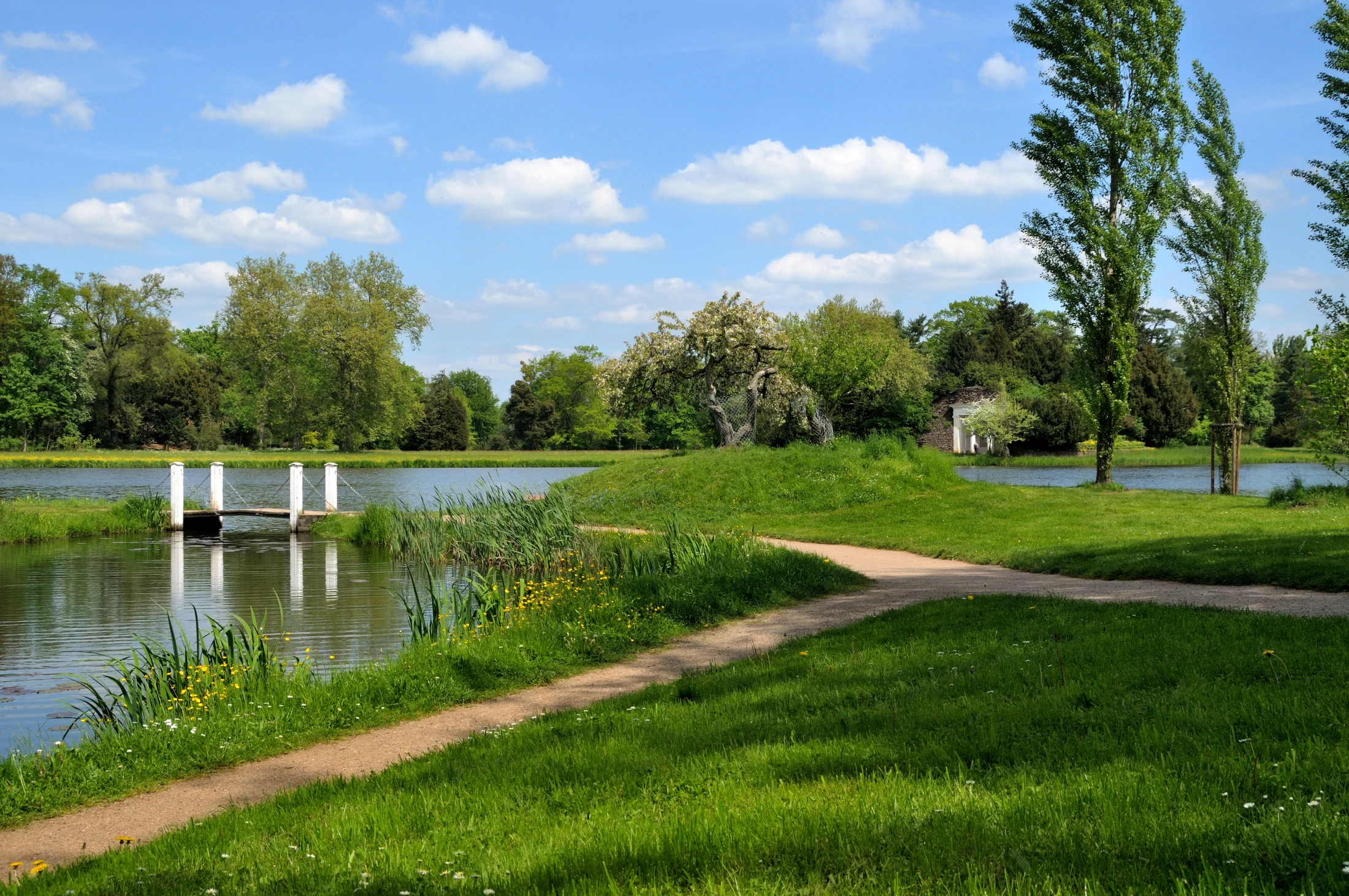
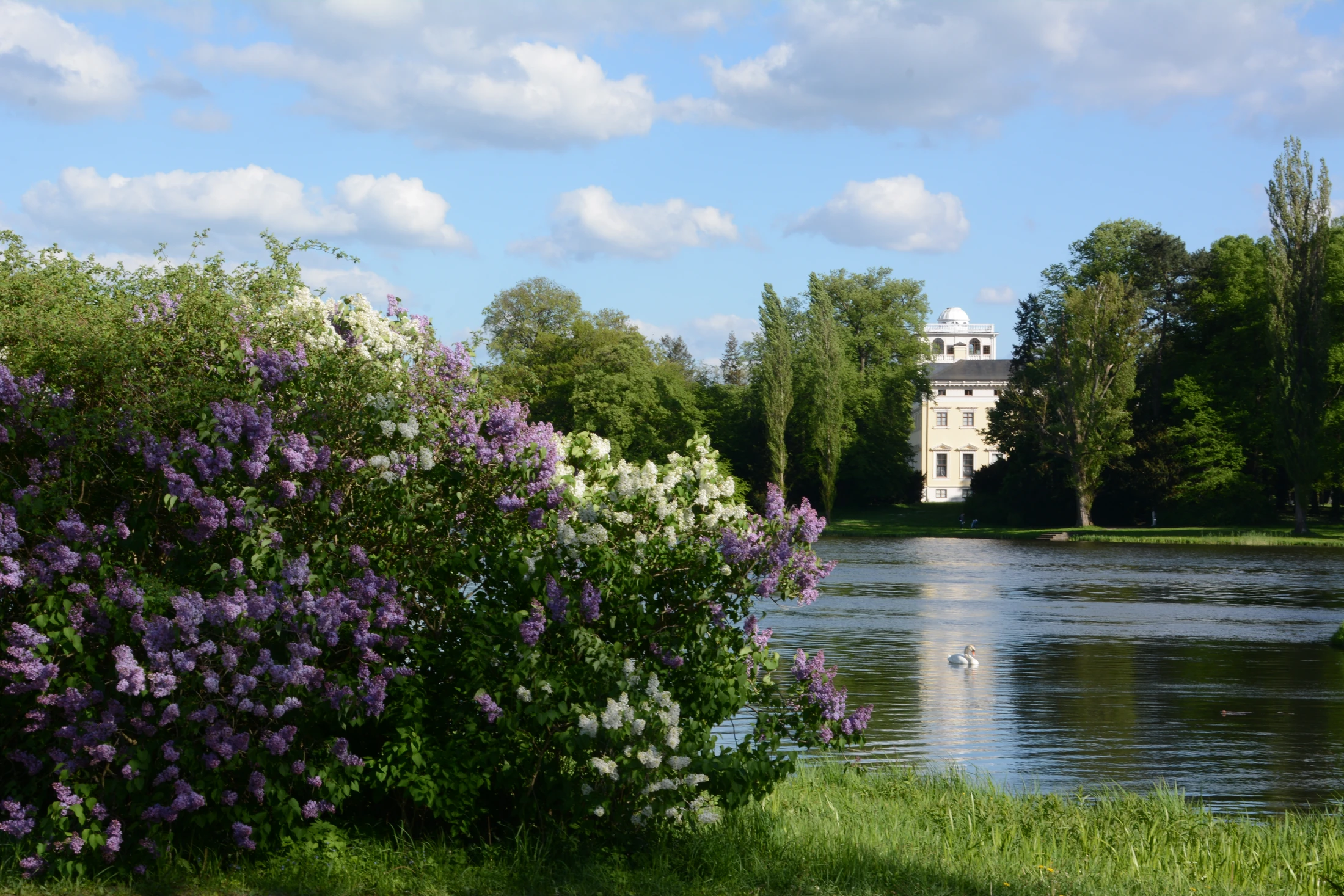
Wörlitz Palace, the Gothic House and Stein Island show three very different sides of Wörlitz Park. Between the buildings lie stretches of water, meadows, groups of trees and paths. Their interplay shapes the place: a piece of architecture looks different up close than from the opposite shore, and an open garden area different from a narrow path between trees.
This exploration combines the most important sights with a photographic view of the landscape. The focus is on the relationships between building and surroundings, between the wide view and the individual detail.
A landscape of views
Wörlitz Park is part of the Garden Kingdom Dessau-Wörlitz, which has been recognised as a UNESCO World Heritage Site since 2000. The combination of landscape, architecture and art is connected to the ideas of the Enlightenment. The Garden Kingdom can therefore be viewed both as a designed landscape and as an expression of a historical vision of living and learning together.
For photography, a particular appeal lies in shifting distances. A wide view reveals how a building sits within the garden. A closer crop shows lines, surfaces and proportions. Both belong together: only the surroundings explain the place, while the detail draws attention to its particular character.
Wörlitz Palace – architecture within the landscape
Wörlitz Palace was built between 1769 and 1773 for Prince Leopold III Friedrich Franz of Anhalt-Dessau. The designs were created by Friedrich Wilhelm von Erdmannsdorff. The building takes its cues from English models and is among the early significant examples of Classicism.
The clear structure of the palace gives the eye something to hold on to. In an overall view, the proportions of the building stand out; up close, columns, entrances and façade surfaces gain in weight. The garden is more than just a backdrop here. How much space remains visible around the building helps determine whether an image describes architecture or tells the story of its relationship to the landscape.
Gothic House – variety in the garden
The Gothic House provides a neo-Gothic accent. Originally intended as a gardener’s residence, it was extended over several decades and also served Prince Franz as a private retreat and a place to house his art collections. Its architectural history is tied to a variety of influences and a richly varied external appearance.
At the Gothic House, changing viewpoint is especially rewarding. A single front view conveys only part of the building. Other views shift the relationship between the structure, the roofline and the garden. In detail, this becomes a study of rhythm and surface: a window, a transition or a section of façade can distil the character of the house without replacing the overall view.
Stein Island – rocks, villa and volcano
Stein Island was created between 1788 and 1794 on the orders of Prince Franz as a memento of his journey to Naples. The ensemble includes an artificial volcano modelled on Vesuvius, the Villa Hamilton, a theatre in an antique style, as well as grottoes and passages. The grounds translate impressions from southern Italy into a designed place within Wörlitz Park.
Here, different forms meet closely together: rock formations and architecture, solid surfaces and dark openings. A wide view holds these parts together. A detail draws the eye more strongly to material, light and spatial depth. It is precisely this shift that makes clear why Stein Island should be seen as an ensemble, not merely as a single volcano motif.
Further sights in Wörlitz Park
St. Petri Church and Synagogue
The neo-Gothic brick tower of St. Petri Church defines the townscape of Wörlitz. The synagogue is part of the town’s Jewish history; its round structure architecturally links the town and the garden grounds. Both buildings carry a cultural significance that goes beyond their role as a landscape motif.
Temples, monuments and garden spaces
The Pantheon, Temple of Venus, Temple of Flora, Nymphaeum and Monument add further architectural points of reference to the major buildings. The Rousseau Island, Schoch’s Garden and Neumark’s Garden add places where individual motifs can be set within larger garden spaces. An overview need not isolate every detail for this: a path, a body of water or the distance between two viewpoints can say just as much about the design as a single building.
Bridges, shores and islands connect the views across the park. Photographically, the relationship between near and far is of interest here. A reflection can pick up the form of a building; a foreground can create depth or frame the view. The image captures one section, while the landscape continues beyond its edge.
The Garden Kingdom in the calendar
Selected photographs of the landscapes and buildings of the Garden Kingdom also appear in the Garden Kingdom Calendar. The calendar page shows the motifs of the current edition; the available formats can be found in the shop. A look back at the photographic engagement with Wörlitz is offered by the Wörlitz Calendar and the previous editions.
Other sites of the Garden Kingdom
Wörlitz Park is part of a larger cultural landscape. The Overview of the Garden Kingdom Dessau-Wörlitz connects the individual sites and their photographic explorations.
Oranienbaum · Luisium · Mosigkau · Georgium Dessau · Großkühnau and Kühnau Park
Sources and visitor information
This historical context draws on the UNESCO description of the Garden Kingdom, the official information on Wörlitz Palace, on the Gothic House and on Stein Island. Further information is offered by the pages on St. Petri, on the Synagoge and the official Garden Kingdom brochure with park overview.
The official visitor information is authoritative for opening hours, guided tours and current path notices. The photographic exploration on this page does not replace a current park map.